Explore the history of European cast iron lamp posts, from Victorian gas lights to modern classic designs for municipal projects.
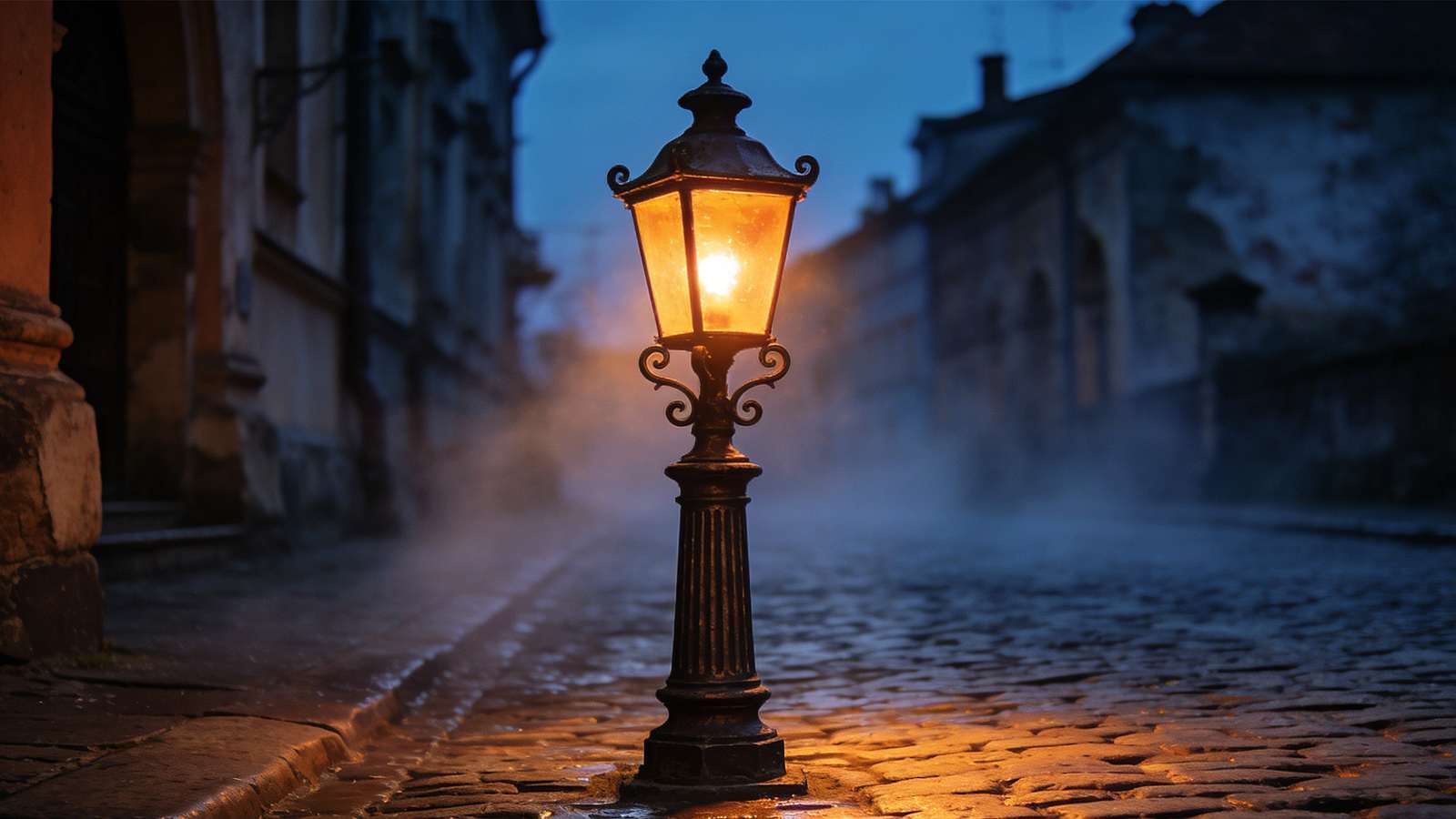
Over 200,000 gas lamps once lit the streets of London, creating a public safety revolution. By the 1940s, many of those original fixtures in cities like New York had been retrofitted or replaced. Today, a global movement is driving demand for authentic aesthetics. Municipalities and planners are rejecting mass-produced uniformity in favor of character.
They are seeking the durability and timeless beauty of genuine cast iron lamp posts. These structures are more than just light sources; they are statements of quality and permanence. For international distributors, understanding this rich heritage is the key to tapping into a market that values craftsmanship as much as illumination. Let’s explore how these classic pieces evolved and why they remain relevant.
A Legacy Forged in the Industrial Revolution
The story of the cast iron lamp post begins with a practical problem: gas lighting was dangerous. In the early 19th century, as gas lighting spread from Europe to the Americas, city authorities needed a material that was nonflammable and durable. Cast iron was the perfect solution. It was inexpensive, easy to mass-produce, and incredibly strong.
This material quickly became the standard for Victorian street lights. It allowed manufacturers to move beyond simple utility. The romanticism of the era demanded that even functional objects be beautiful. By the middle of the 1800s, these posts were not just fixtures; they were considered architectural accessories designed to increase “curb appeal”. They accessorized buildings and public squares with a sense of pride and artistic flair.
The Hallmarks of European Design
When we discuss classic European lamp post designs, we are referring to a specific visual language. These styles were rarely pure; they were often eclectic, mixing Gothic, Classical, and Renaissance revival elements. You might see a column with fluting borrowed from ancient Greek architecture, topped with a foliate bulb resembling a medieval acanthus leaf.
Look closely at a preserved example from London or Paris. You will notice details that tell a story. There are often ladder rests, a practical feature for lamplighters who once climbed to fuel the flames. The bases are heavy and often square or tapered, providing a visual anchor. Finials, such as the British “Orb” style, added a touch of monarchical grandeur. These were not merely poles; they were a mix of historicism and industrial innovation.
From Gas Flames to LED Compatibility
The transition from gas to electricity in the late 19th and early 20th centuries could have rendered these posts obsolete. However, their robust construction saved them. In places like Chesterfield, England, early electric globes were simply fitted onto existing cast iron lamp posts. Companies created iconic lanterns, such as the Windsor design, specifically to hold new incandescent mantles.
This adaptability is their superpower. Today, a high-quality reproduction or an original restored post can house modern LED lighting. The exterior retains its Victorian soul, while the interior provides efficient, cost-effective illumination. This blend of old and new is incredibly attractive to developers working on high-end residential districts or heritage conservation areas.
Craftsmanship That Withstands Time
The manufacturing process itself contributed to the longevity of these posts. In the 19th century, molten iron was poured into intricate molds made of compressed sand. Once cooled, the rough edges were filed down by hand. The piece was then painted or galvanized multiple times to prevent rust. This hands-on approach, combined with the density of the iron, created a product designed to last centuries.
Modern manufacturing for municipal projects can replicate this. Factories with decades of experience use similar attention to detail. A well-made post features a smooth taper, sharp detail in the decorative elements, and a heavy-duty flange. This quality signals to residents and visitors that the public space is valued.
Why Distributors Should Stock Classic Designs
Market trends show a clear preference for authentic aesthetics over modernist minimalism in public furniture. When city planners search for Victorian street lights, they are looking for a specific emotional impact. They want to create a sense of place. A park lined with elegant, black cast iron posts feels safer and more prestigious than one lit by standard steel poles.
For you, as a distributor, offering these designs means providing a solution that transcends simple lighting. You are selling heritage, durability, and design. These pieces command higher price points and foster customer loyalty. Developers know that a quality fixture will not need replacing in a decade. It becomes a permanent part of the landscape.
Adapting Heritage for the Modern World
While the designs are historic, the application is thoroughly modern. Today’s cast iron lamp posts are often engineered to meet strict municipal standards. They can be powder-coated in signal black or custom RAL colors to match specific branding or conservation guidelines.
We also see a rise in custom sizing. A standard 2.5-meter post might be perfect for a residential garden, but a grand boulevard requires a taller, more imposing structure. Factories now offer flexible manufacturing runs. This allows distributors to order custom heights or even bespoke finials without requiring massive minimum order quantities. This flexibility opens doors to more projects.
Illuminating the Future with the Past
The journey of the cast iron lamp post from the coal-lit streets of 1883 to the smart cities of today is a testament to great design. It proves that functionality does not have to come at the expense of beauty. These posts have witnessed history, from horse-drawn carriages to autonomous vehicles, yet they remain standing.
For the international distributor, they represent a stable, profitable, and meaningful product line. They connect us to a time when industry and art walked hand in hand. By bringing these classic European lamp post designs to new markets, you are not just selling hardware. You are providing the finishing touch that turns a street into a destination and a development into a legacy.
High-Margin Products for Municipal Projects
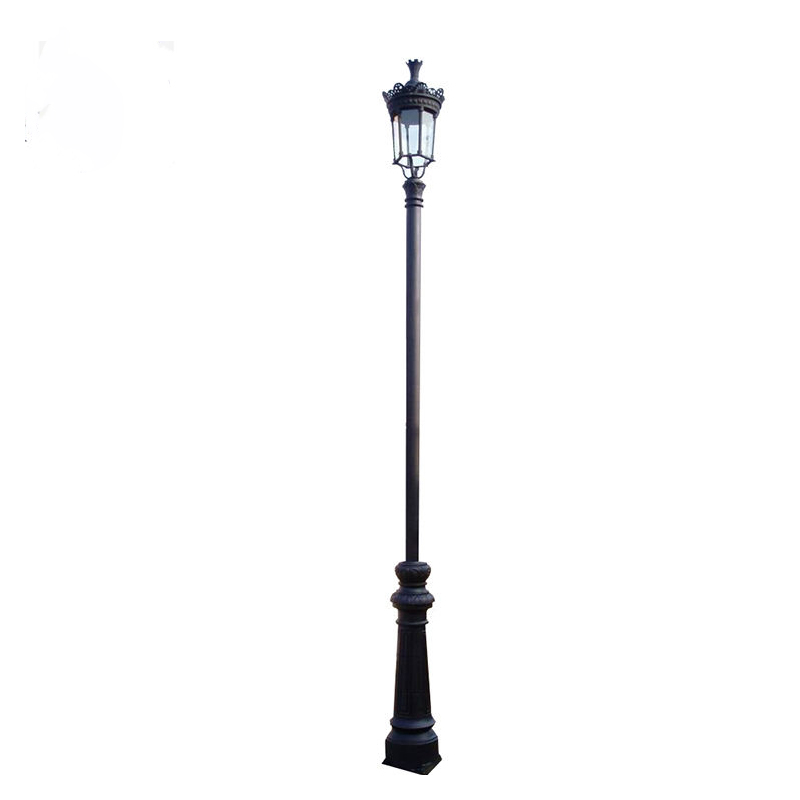
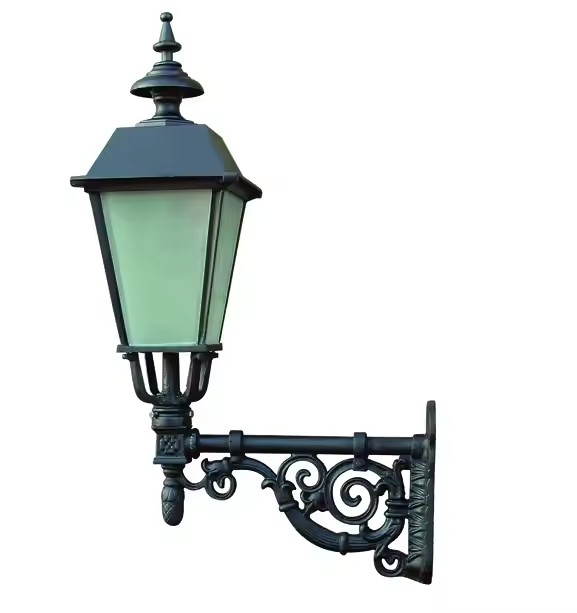
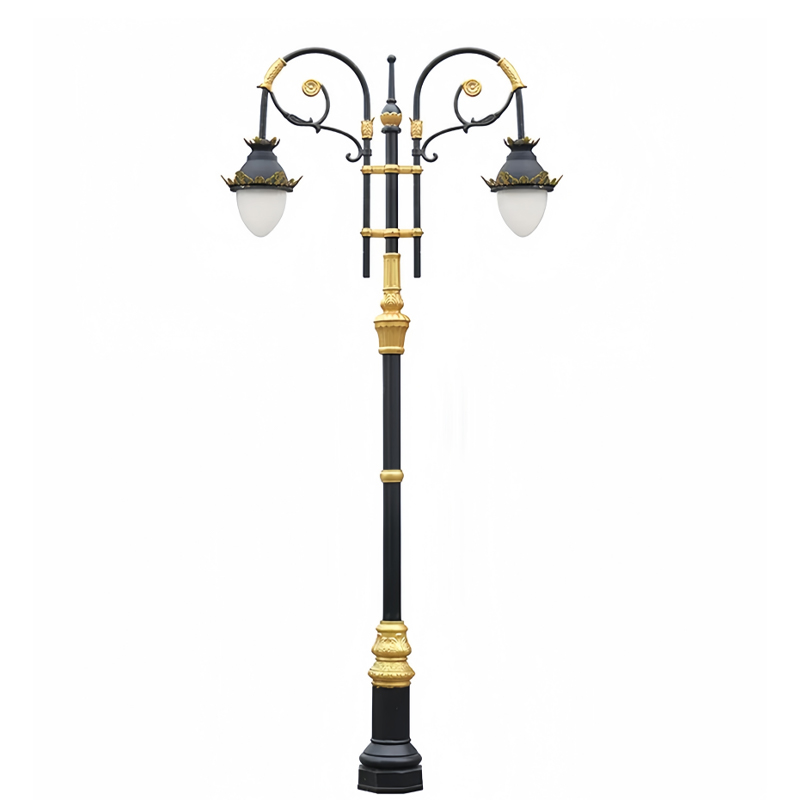
Compare with related municipal Cast iron lamp posts



Leave A Message