Explore professional tips for lamp post bases and installation. Learn about flange vs. direct burial methods to ensure durable and safe outdoor lighting.
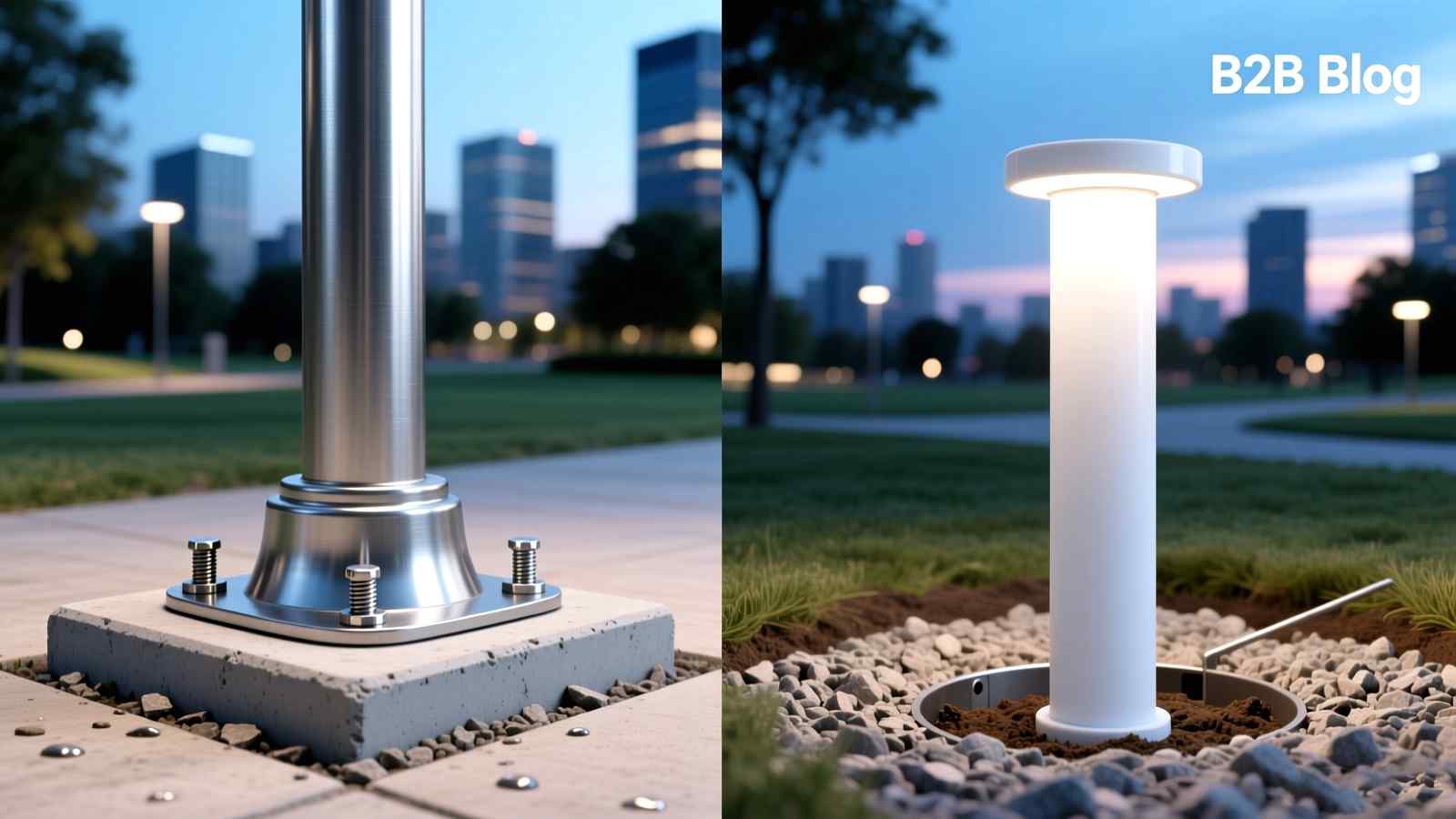
When you are responsible for sourcing lighting components for international projects, the details matter significantly. You need to ensure that every element arriving at a job site is not only aesthetically pleasing but also structurally sound and straightforward to install. One of the most critical decisions in any outdoor lighting project revolves around the foundation. How a pole meets the ground determines its longevity, stability, and resistance to environmental stress.
We often discuss the photometrics and the LED drivers, but today we are focusing on the hardware that keeps the light standing tall. Specifically, we are diving deep into the world of lamp post bases. There are two primary schools of thought when it comes to securing a lighting pole: the flange connection method and the direct burial method. Understanding the nuances of each will help you specify the correct hardware for your clients, whether they are developing a coastal boardwalk in Europe or a highway interchange in South America.
Understanding the Role of the Foundation
Before we compare the specific types of lamp post bases, we must appreciate the ground beneath them. The soil conditions, wind loads, and local building codes dictate which method is permissible. A foundation transfers the weight of the pole and the luminaire to the ground. It also resists the overturning forces created by high winds.
If the foundation fails, the entire lighting system fails. This can lead to costly repairs, property damage, or even injury. Therefore, selecting the correct base type is not merely a matter of preference. It is an engineering decision. You must also consider the local frost line. In colder climates, the base must extend below this line to prevent the pole from shifting during freeze-thaw cycles. The material of the pole itself, be it steel, aluminum, or fiberglass, will also influence which base type is suitable.
The Flange Connection Method
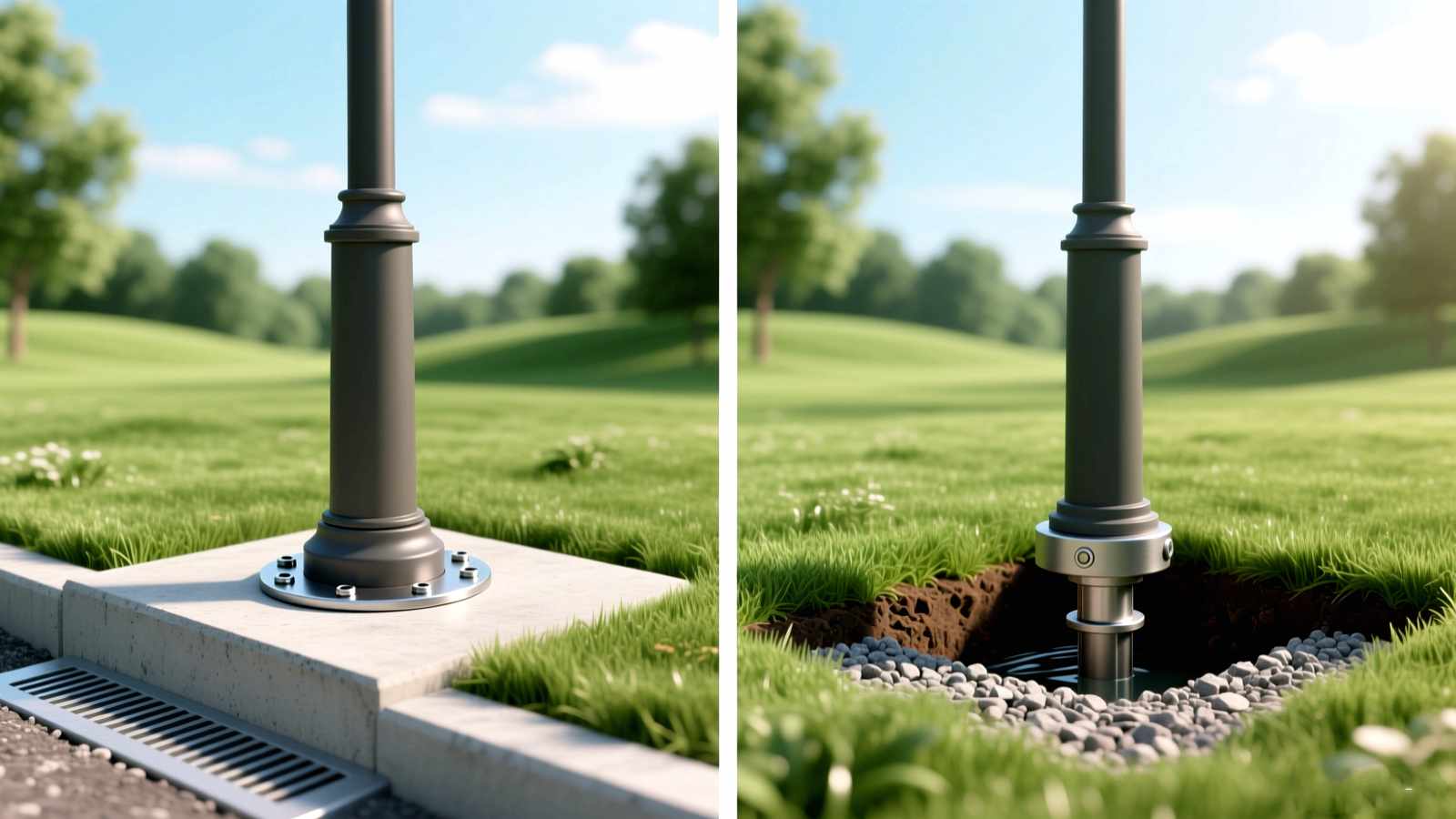
The flange connection is often the preferred method for large-scale commercial and municipal projects. It involves a separate concrete foundation that is poured in the ground first. A series of anchor bolts are embedded into this wet concrete at precise distances. Once the concrete cures, a steel plate, or flange, which is welded to the bottom of the pole, is placed over these protruding bolts.
Heavy-duty nuts are then used to secure the pole to the foundation. This creates a very rigid and strong connection. One of the main advantages of this system is the level of stability it offers. In areas prone to high winds or where poles are tall, this is the safest option. It also allows for easier maintenance. If a pole is damaged by a vehicle, you can simply unbolt it from the foundation and lift it away. A new pole can then be installed on the existing anchor bolts without breaking any concrete.
Installation requires precision. The template for the anchor bolts must be held perfectly level while the concrete is poured. If the bolts are out of alignment, the pole will not sit straight. To protect the connection from corrosion, it is common practice to apply a coat of wax or grease to the exposed anchor bolts. The gap between the flange plate and the concrete pad is typically filled with a non-shrink grout. This ensures full contact and prevents the plate from bending under load.
The Direct Burial Method
Direct burial offers a different approach to securing lamp post bases. As the name implies, this method involves placing the pole directly into an excavated hole and backfilling around it. There is no separate concrete pad or exposed hardware at the base. The soil or backfill material itself, combined with the friction along the buried portion of the pole, provides the holding power.
This technique is generally faster and less expensive than the flange method. It requires less material and less labor. You simply dig a hole to the required depth, set the pole, and pack the material back in. This makes it a very attractive option for parks, rural roadways, and residential applications. However, it is not suitable for every type of pole. Steel poles are poor candidates for direct burial because they are prone to rusting underground. Aluminum and fiberglass poles, being corrosion-resistant, are the standard choices for this method.
The depth of the hole is critical for direct burial success. A common rule of thumb is to bury at least ten percent of the pole’s length plus an additional two feet. For an eighteen-foot pole, this usually means a hole about three feet deep. The backfill material should be crushed rock or compacted native soil that drains well. Using the wrong soil can cause the pole to settle or lean over time. During installation, it is vital to keep checking the pole with a level as you add the backfill in layers.
Wiring Considerations for Lamp Post Bases
Regardless of which type of base you choose, the electrical wiring requires careful planning. Water and electricity do not mix, so keeping the connections dry is the priority. For flange-mounted poles, the power supply wires usually exit the concrete foundation through a conduit. They are left long enough to reach the hand hole in the pole. When setting the pole, you must carefully feed these wires up through the center of the flange and the pole shaft before bolting it down.
With direct burial, the wiring approach can differ. Sometimes the wire enters the pole below grade. It runs up the center and emerges at the hand hole. If you are working with a wooden or non-conductive pole, it is essential to protect the wire from being pinched by the backfill material. In some cases, a separate, buried junction box is installed adjacent to the pole. The pole then sits over a conduit stub-up, keeping the actual splice point accessible but separate from the pole base. Always use wire connectors that are rated for wet locations.
Adapting to Project Environments
Every environment presents unique challenges for lamp post bases. In coastal regions, salt spray accelerates corrosion. For flange systems in these areas, stainless steel anchor bolts are a wise investment. For direct burial near the ocean, fiberglass poles are almost mandatory because of their resistance to salt damage.
In urban settings, the flange system is often preferred because it offers a clean, finished look. It also allows for precise height alignment, which is crucial when lighting must coordinate with signage or architectural features. In areas with rocky soil, digging deep holes for direct burial can be prohibitively expensive. In such cases, a flange system with a shallower, broader concrete pier might be a more economical solution.
Soil type cannot be ignored either. Expansive clay soils can move significantly with changes in moisture. This movement can exert tremendous pressure on a direct-bury pole. In these conditions, an over-sized concrete foundation with a flange connection provides a stable anchor that resists the soil’s movement. Always check the local geological reports before finalizing a specification.
Material Compatibility and Longevity
The material of your pole dictates the type of base it requires. As mentioned, steel and aluminum poles almost always use a flange base. The steel is galvanized or painted, but the cut end at the bottom and the internal surface are vulnerable. By mounting it on a concrete pad with a flange, you keep the steel out of the moisture-laden soil.
For composite or fiberglass poles, direct burial is a perfect match. These materials do not rot or corrode. They are designed to have a consistent wall thickness that can withstand the pressure of the backfill. Some manufacturers even produce poles with a foam-filled core for extra rigidity, and these are often rated for direct burial in specific wind zones.
It is also worth noting that some specialty materials, like solid granite or wood, have their own rules. Wooden posts, for instance, are sometimes not set in concrete. The concrete can trap moisture against the wood fibers, leading to rot. Instead, they are set in crushed stone to allow for drainage and air circulation.
The Simpler Side of Base Installation
While commercial projects often require heavy machinery and concrete trucks, there is a growing market for simpler solutions. For smaller landscape fixtures or solar lighting, the concept of lamp post bases has evolved. There are now anchor systems that screw into the ground like a giant auger.
These systems are ideal for pathways and garden lights where wind loads are low. They eliminate the need for concrete and can be installed in minutes with hand tools. This type of base is a great option for temporary installations or sites where digging is restricted. It shows how the industry continues to innovate, offering a range of solutions from the highly engineered to the refreshingly simple.
Making the Final Selection
So, how do you choose the right path for your project? You should weigh the factors of cost, time, and stability. If you are working with steel poles over twenty feet tall, or if the site is exposed to hurricane-force winds, the flange connection is your only real option. The strength and redundancy of four large anchor bolts provide a safety margin that direct burial cannot match.
If your project timeline is tight and the poles are made of aluminum or fiberglass, direct burial can save days or even weeks. You avoid the waiting period for concrete to cure, and you need fewer specialized trades on site. For international shipments, direct burial can also reduce the amount of hardware you need to inventory. You ship the pole, and the local contractor supplies the gravel.
Ultimately, the decision rests on a clear understanding of the site conditions and the client’s long-term goals. By mastering the details of both flange and direct burial methods, you position yourself as a knowledgeable partner. You are not just selling a pole; you are providing a complete solution that will stand the test of time and the elements.
High-Margin Products for Municipal Projects
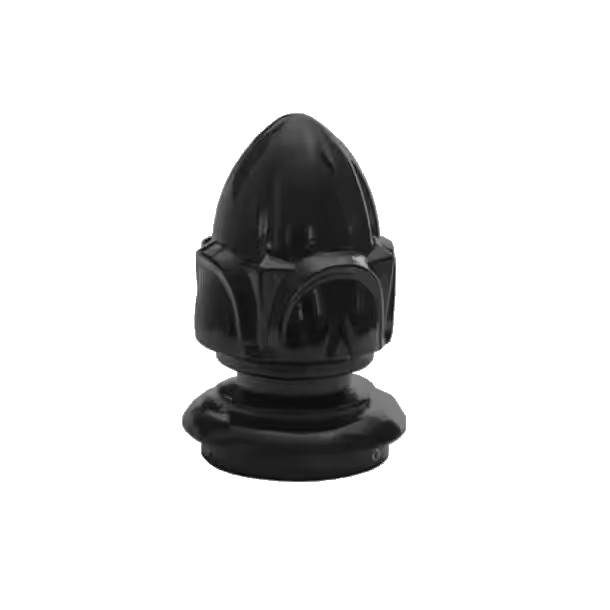
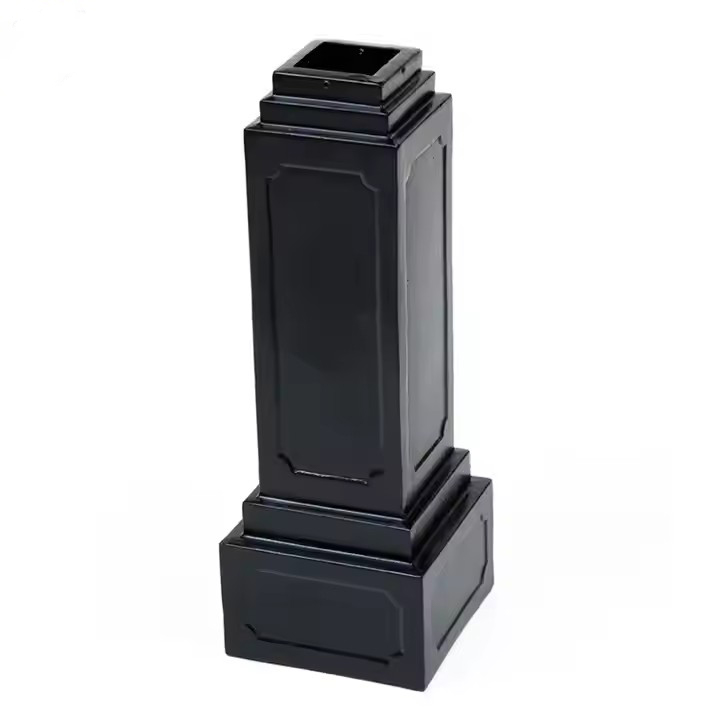
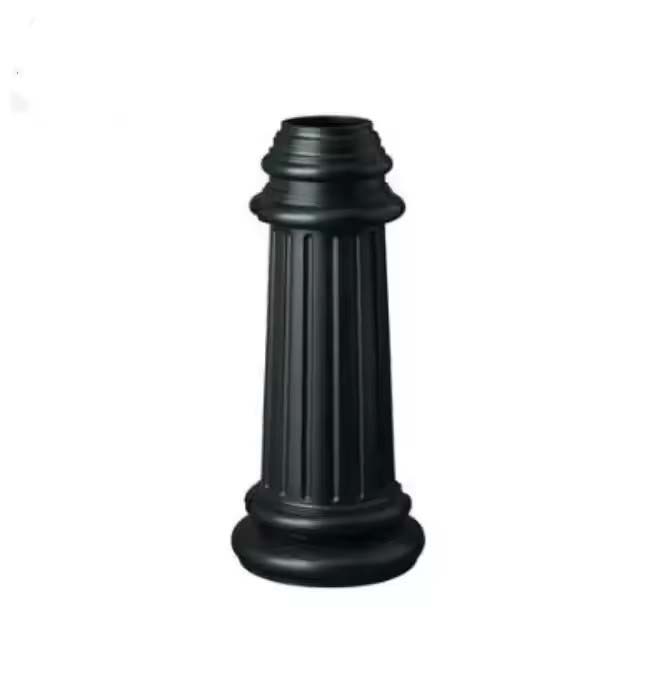
Compare with related municipal Lamp post bases

Leave A Message