Compare ductile iron, gray iron, and cast aluminum for roadblocks and municipal castings. Learn which material offers the best strength and durability.
When you manage a municipal water or traffic network, choosing the right equipment is a big deal. You need roadblocks and markers that can handle heavy traffic and harsh weather. You might be looking at different materials and wondering what fits best. Today, we are going to look at three common options: ductile iron, gray iron, and cast aluminum. We will break down their strengths and weaknesses in a friendly way.
The Basic Differences in Materials
It helps to understand what these materials are made of. They each have unique properties that affect how they perform on the road.
What is Ductile Iron?
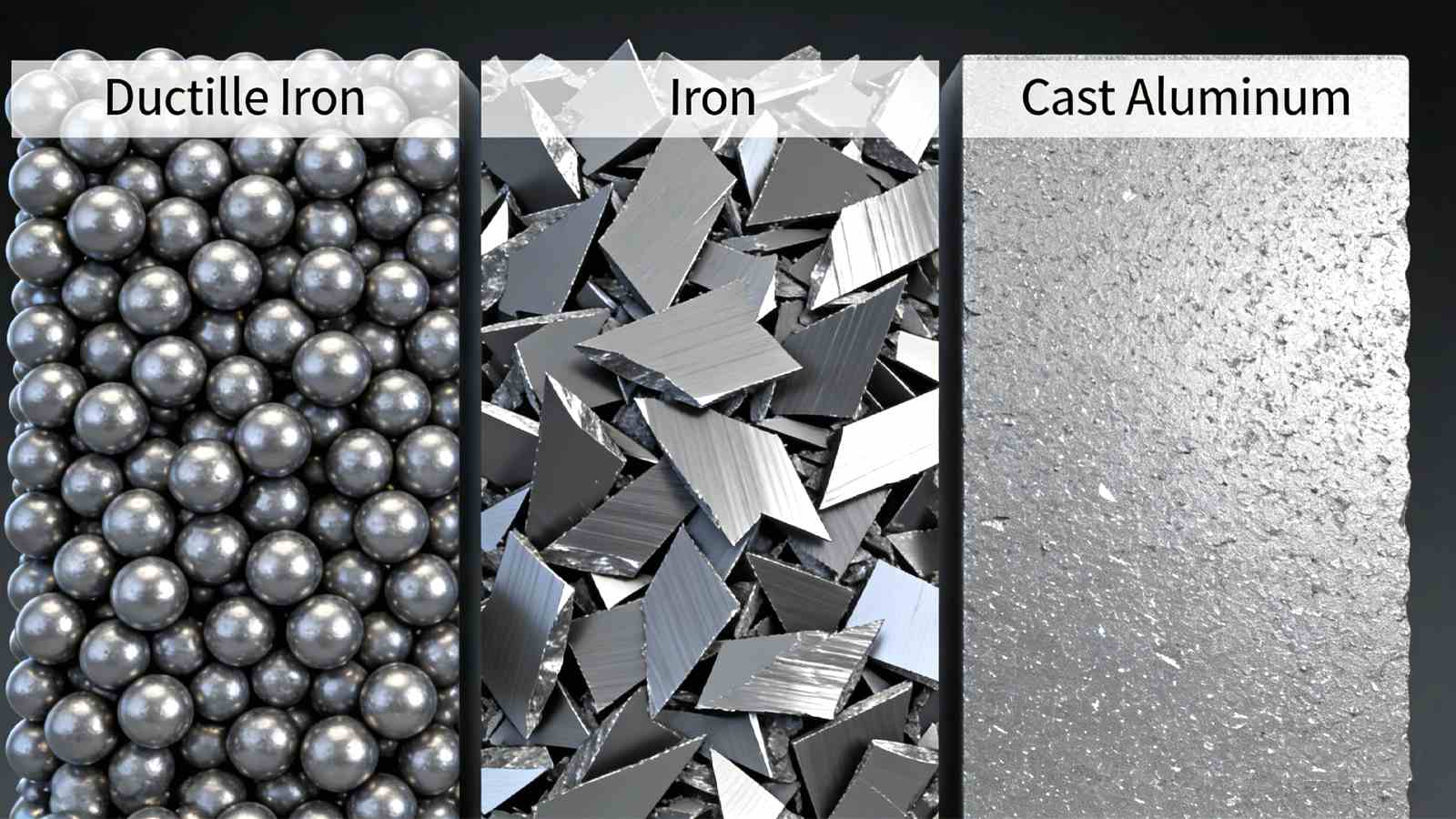
Ductile iron is a real powerhouse. It starts as a base similar to other irons, but during casting, it gets treated with a small amount of magnesium. This process changes everything. Instead of flakes, the carbon inside forms into little spheres or nodules. This structure makes it incredibly strong and flexible. It is sometimes called nodular iron because of these round graphite particles. You get a material that can bend a little under pressure without snapping. It is perfect for areas with constant, heavy traffic.
The Nature of Gray Iron
Gray iron is the traditional workhorse of the family. Its name comes from the gray color you see when it breaks. In gray iron, the carbon looks like little flakes or threads inside the metal. These flakes give gray iron some useful traits. It handles compression very well and dampens vibration, which is great for machine bases. However, those same flakes act like tiny stress risers. If you hit it hard, it can crack or break more easily than other materials.
Understanding Cast Aluminum
Cast aluminum is the lightweight contender. It is made from aluminum mixed with other elements like silicon or copper to make it stronger. The biggest advantage here is weight. Aluminum is much lighter than steel or iron. It also does not rust, which is a big plus for outdoor gear. But, it is generally not as strong as ductile iron when you need to support really heavy loads. Its strength can also change depending on how thick the casting is.
Comparing Performance on the Road
So, how do these materials stack up when they are sitting on a street or a highway? Let us put them head-to-head in a few key areas.
Strength and Impact Resistance
This is where ductile iron truly shines. Because the graphite is spherical, the material can absorb a lot of energy. Imagine a truck tire slamming into a road marker. A ductile iron marker might bend or deform slightly, but it will likely stay in one piece. Its tensile strength is very high, often compared to steel.
Gray iron is a different story. Its flake graphite makes it brittle in tension. A sharp impact could cause it to crack or shatter. It is strong when you push down on it, but not when something hits it from the side.
Cast aluminum offers a middle ground. It is more flexible than gray iron but not as tough as ductile iron in high-impact scenarios. It can deform under a heavy load, which might be okay, but it could also crack if the alloy is too brittle or the section is thin.
Long-Term Durability and Corrosion
You want something that will last for years. Gray iron can rust. It is prone to corrosion when exposed to water and salt. It often needs a protective coating to survive outdoors.
Cast aluminum has a natural advantage here. It forms its own protective oxide layer, so it resists rusting very well. This means it can look good for a long time without much help.
Ductile iron also needs protection from the elements. However, it is common to apply a zinc coating or a durable epoxy paint. With a good coating, a ductile iron roadblock can last for decades, often 30 years or more. It handles corrosion much better than regular gray iron when properly maintained.
Weight and Installation
Think about your installation crew. Cast aluminum is the easiest to handle. It is light and easy to move into place. This can save time and money on labor.
Gray iron and ductile iron are both heavy. They are much denser than aluminum. This weight is good because it helps keep the roadblock in place without a lot of fasteners. But, it makes installation harder. You might need special equipment to lift and set large iron barriers or castings. The weight is a trade-off for that durability.
Practical Applications in the Field
You will see all these materials used in different ways around a city.
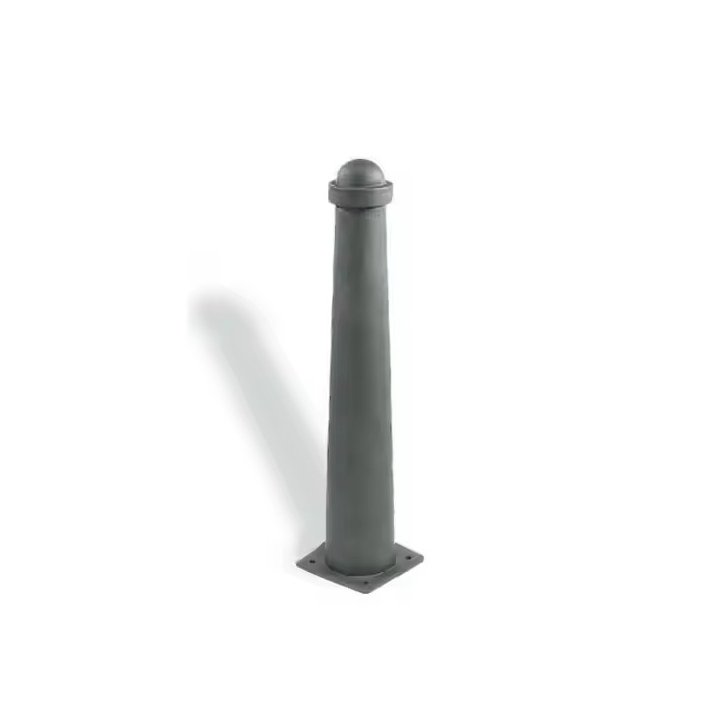
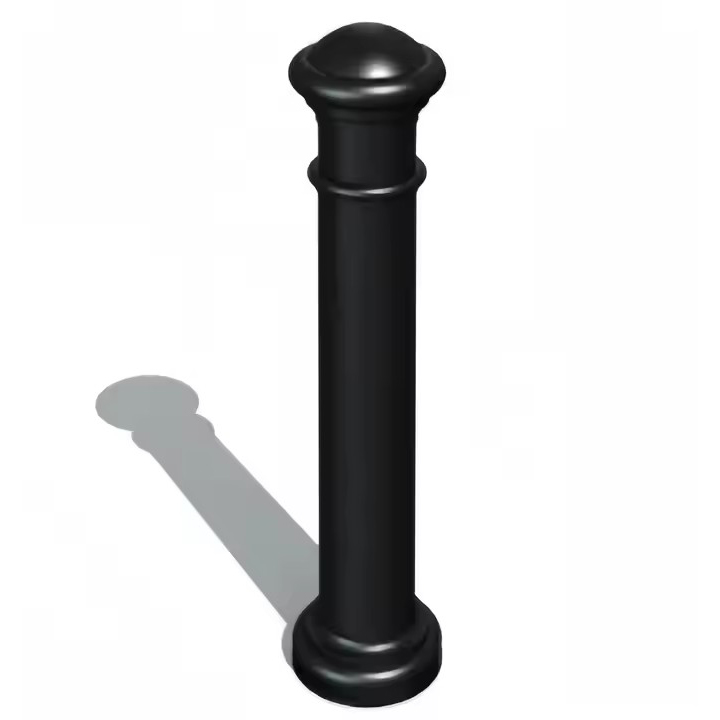
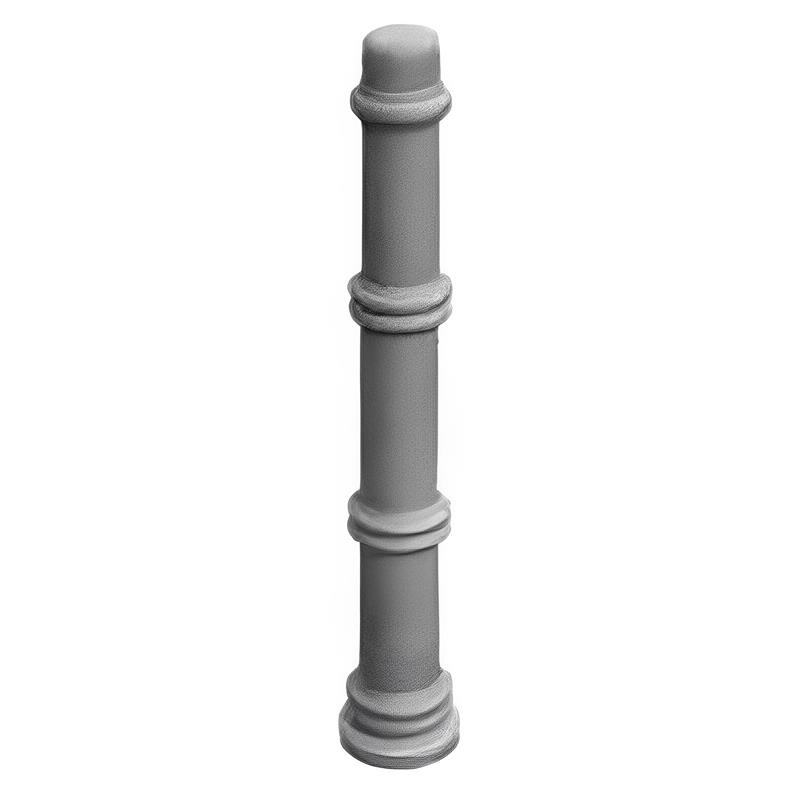
Ductile iron is the top choice for high-stress areas. Think about manhole covers in the middle of an intersection or bollards protecting a storefront. It handles the constant pounding of traffic without failing. It is also great for large valve boxes that need to survive freeway conditions. Its reliability makes it a favorite for critical water and gas lines too.
Gray iron is often found in older installations. You might see it in drainage grates or older utility covers. It works fine in low-traffic areas like sidewalks or medians. However, many cities are replacing it with ductile iron when they do road work. They want that extra safety factor.
Cast aluminum is perfect for items that need to be seen but not smashed. Guide sign posts, decorative bollards in plazas, and some types of raised pavement markers are good examples. Since it resists rust, it is also used for handrails and light poles. For lightweight, temporary traffic control, cast aluminum barriers are much easier to move around.
Making the Right Choice for Your Network
Choosing the right material comes down to your specific needs.
If you need maximum strength and a long life in a high-traffic zone, ductile iron is your best bet. It costs more upfront than gray iron, but it saves money over time because you do not have to replace it as often. It is the smart choice for critical infrastructure.
Gray iron can be a budget-friendly option for areas with very light use. Just be aware of its limitations. If a truck can hit it, you probably want something tougher.
Cast aluminum is great when weight is a concern. It is also the winner for appearance in visible, architectural spots because it resists rust so well. Just make sure the load requirements are not too high.
In the end, think about the location and the traffic. A busy shipping dock needs the toughness of ductile iron. A pedestrian walkway might be fine with the lighter weight of aluminum. By understanding these materials, you can build a safer and more durable municipal network.
High-Margin Products for Municipal Projects
Compare with related municipal Ductile iron
Leave A Message