Comparing cast iron bollards and aluminum bollards for urban spaces. We analyze the Iron vs Aluminum debate covering durability, corrosion, maintenance, and style.
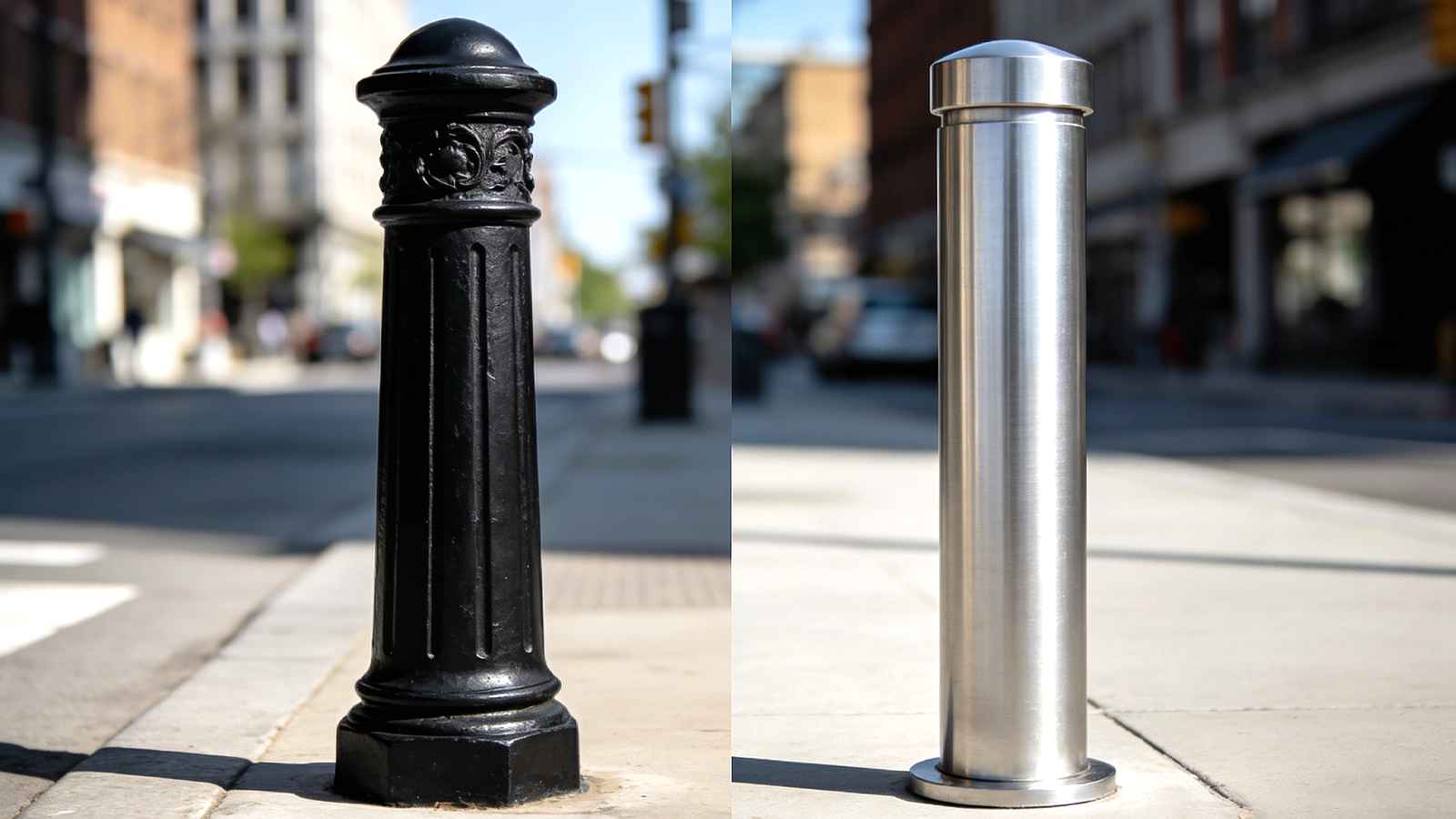
The streetscape of a modern city tells a story. It speaks of flow, of safety, and of the delicate balance between form and function. Among the silent narrators of this story are the humble bollards. For municipal projects and private developments, the choice of material is a foundational decision. Two materials often stand in opposition: traditional cast iron and contemporary aluminum. Understanding the nuances of an Iron Bollard versus its lighter counterpart is critical for any dealer or urban planner. The choice impacts not only the budget but also the longevity and character of the installation.
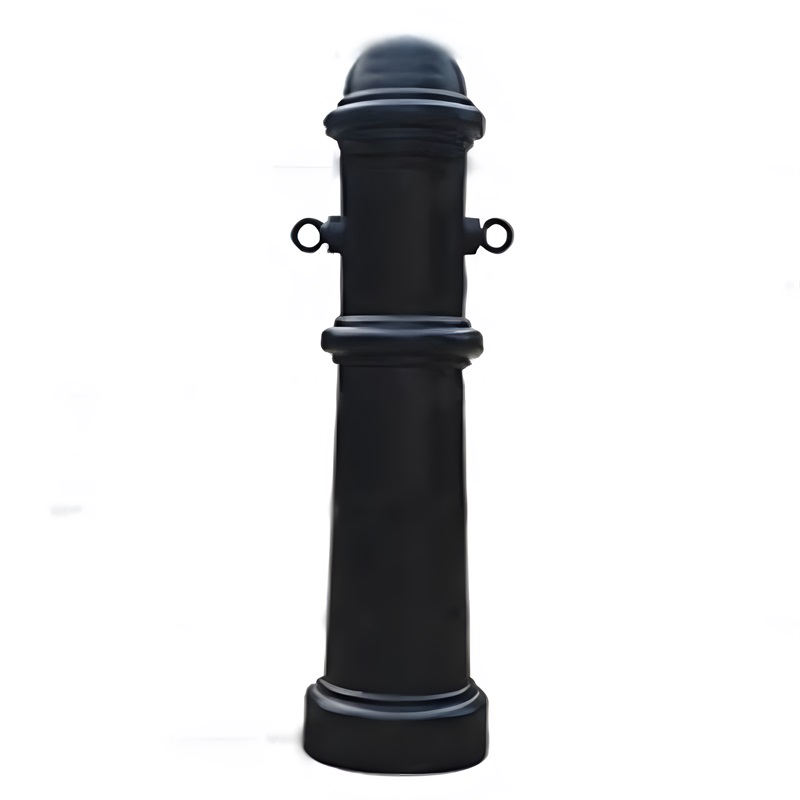
When one visualizes a classic, historic district, the image is often lined with sturdy, dark cast iron bollards. These posts carry a weight that is both physical and visual. Their primary advantage has always been their robustness. Cast iron, particularly in its ductile form, offers immense compressive strength. It acts as a clear, unambiguous statement that a zone is protected. For perimeter security where heavy impacts are a concern, the density of iron provides a level of deterrence that is difficult to match. Unlike materials that might crack or shatter under a high-speed collision, a quality iron post can absorb and redirect significant force, protecting storefronts and sidewalks effectively.
However, the strength of an Iron Bollard comes with inherent trade-offs. The most significant challenge is weight. Shipping and installing these heavy units requires heavy machinery and more labor hours, which can drive up initial project costs. Furthermore, iron is susceptible to oxidation. If the protective powder coating is chipped during installation or by a stray vehicle, rust can begin its slow creep. In regions with high humidity or salted winter roads, this vulnerability demands a rigorous maintenance schedule. Painting and surface treatment become necessary to preserve the structural integrity and aesthetic appeal of the iron over the decades.
On the other side of the Iron vs Aluminum discussion, we find the modern contender. Aluminum Bollards have surged in popularity due to their adaptability and resilience in specific environments. The most celebrated property of aluminum is its natural resistance to corrosion. When exposed to air, it forms a protective oxide layer. This makes it the superior choice for coastal cities or chemical-heavy industrial zones where salt spray would quickly degrade ferrous metals. For a dealer sourcing products for a waterfront development, aluminum bollards are often the only logical recommendation.
The lightweight nature of aluminum is a logistical advantage. They are easier to handle, transport, and install. In temporary setups or areas where bollards need to be removed for seasonal access, aluminum is the practical favorite. This lower weight does not compromise its functionality in pedestrian areas. It effectively delineates pathways, protects cycle lanes, and adds a touch of modern refinement to a plaza without the industrial heaviness of iron.
Yet, when comparing the sheer impact resistance required for high-security perimeters, aluminum falls short of iron. It is generally less durable under extreme force. While it performs admirably in guiding traffic and resisting light bumps, it may bend or deform in scenarios where an iron post would remain standing. Therefore, the Iron vs Aluminum decision often hinges on the threat level anticipated at the site.
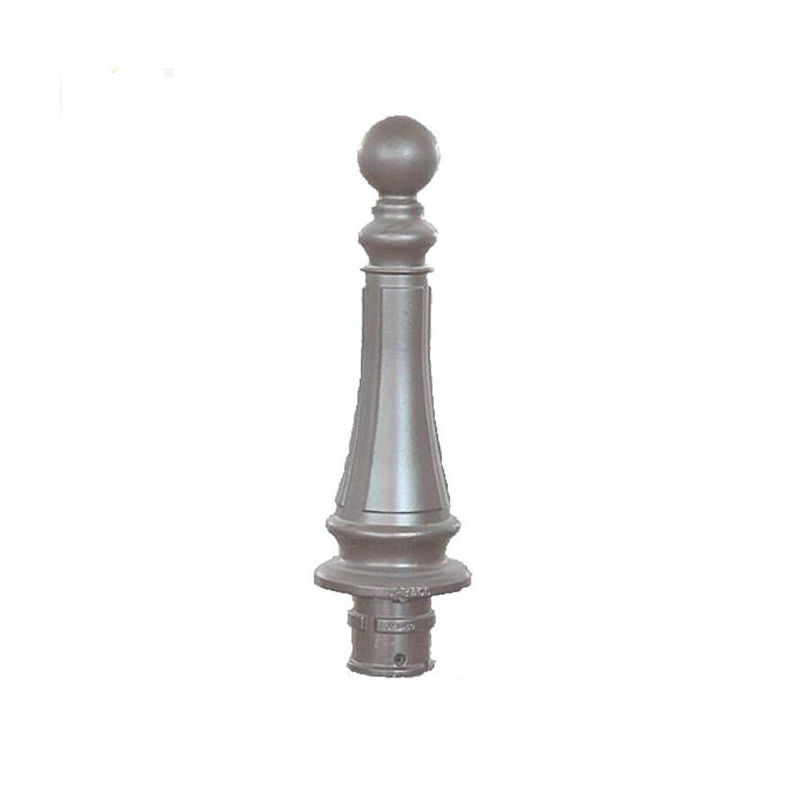
Aesthetics also play a pivotal role in this material choice. Cast iron carries a heritage appeal. Its ability to be cast into intricate, ornate shapes makes it ideal for historical restorations and classical architecture. An Iron Bollard can feature Victorian flourishes or embossed emblems that anchor a building to its historical context. In contrast, aluminum bollards typically embrace a minimalist design language. They feature clean lines and can be powder-coated in virtually any color to blend with contemporary facades or brand guidelines. They can be sleek, unobtrusive, and even integrated with LED lighting to serve dual purposes as way-finding beacons after dark.
Maintenance is another critical metric in this comparison. The life-cycle cost of a bollard is often overlooked in favor of the upfront price. Iron, being prone to rust, demands vigilance. A scratched Iron Bollard requires immediate touch-up paint to prevent corrosion from spreading beneath the surface. Conversely, aluminum bollards are low-maintenance. They do not rust, and they withstand UV rays and rain without degradation. Cleaning them is often as simple as a wash with soap and water. For a city managing thousands of units, the labor savings associated with aluminum can be substantial over time.
The environmental context cannot be ignored when selecting between these metals. In a dry, inland climate, an Iron Bollard with a high-quality galvanized coating will last for generations with minimal intervention. The galvanization process adds a layer of zinc that serves as a sacrificial anode, protecting the iron beneath. However, in a salty marine environment, even galvanized iron may eventually succumb to the elements, making aluminum bollards the undisputed champions of longevity.
Installation methods also differ. Due to their immense weight, iron posts often require deep-set concrete foundations to ensure they remain true and immovable. This creates a permanent fixture. Aluminum, being lighter, offers more flexibility. It can be mounted on existing surfaces with anchor plates or designed as removable versions that slide into permanent ground sockets. This versatility allows urban spaces to adapt. A street used for markets on weekends can have its aluminum bollards removed to allow access, then replaced during the week to restore order.
It is important to distinguish between types of iron. Not all iron performs equally. Gray cast iron, while affordable, is brittle. It can crack under sudden impact. Modern specifications often call for ductile iron, which contains nodular graphite that allows the material to bend slightly under stress rather than snap. This makes ductile cast iron bollards suitable for crash-rated security applications. Aluminum, while not typically rated for the highest crash standards, is often specified for its non-load-bearing decorative role, proving that security comes in many forms.
The thermal properties of the materials also affect urban microclimates. In direct sunlight, a dark-painted Iron Bollard can absorb significant heat, becoming hot to the touch. Aluminum, with its higher reflectivity, tends to stay cooler. This can be a consideration in pedestrian-friendly zones where people might lean against or interact with the bollards. Additionally, aluminum non-sparking property can be a safety feature in certain industrial environments where flammable materials are present.
From a manufacturing perspective, both materials offer sustainability benefits. Iron is highly recyclable, and many cast iron bollards contain a significant percentage of recycled material, often from scrap metal. Aluminum is also infinitely recyclable without losing quality, and the recycling process uses only a fraction of the energy required for primary production. For projects seeking green building certifications, the recyclability of both materials is a strong selling point.
When advising a client, the intended use case clarifies the Iron vs Aluminum decision. For a gas station or a storefront exposed to frequent parking lot traffic, the impact resistance of an Iron Bollard is necessary. For a public park pathway or a restaurant patio extension, the corrosion resistance and design flexibility of aluminum bollards provide the perfect solution. The context dictates the choice, ensuring that the barrier is appropriate for its environment.
Cost analysis must extend beyond the initial purchase. While aluminum can sometimes carry a higher material price tag, the savings in installation and maintenance often level the playing field. A contractor can install multiple aluminum bollards in the time it takes to maneuver a single heavy iron unit into place. For the end-user, the reduced need for repainting and rust treatment over the years adds to the financial appeal of aluminum.
Vandalism resistance is another subtle factor. While iron is hard, it can be chipped. Aluminum, depending on the alloy, can be surprisingly resistant to dents. Some polymers and composites are used in bollards, but aluminum strikes a specific balance between durability and workability. It can be engineered to have enough give to absorb minor impacts without permanent deformation, a property known as ductility.
The visual bulk of the bollard contributes to its psychological impact. A massive iron post creates a psychological barrier, signaling do not enter with authority. A slender aluminum post suggests guidance rather than imprisonment. Urban designers often use this psychological cue to manage pedestrian flow without creating a fortress-like atmosphere. The material choice subtly communicates the level of restriction intended for the space.
In terms of standardization, cast iron bollards often adhere to historical dimensions and designs, making them perfect for replacing units in heritage conservation areas. Aluminum allows for greater customization in height and diameter without the extreme tooling costs associated with iron casting. This makes custom lengths and features more accessible for architects looking for bespoke solutions.
The finish quality of both materials has improved with technology. Powder coating has revolutionized the durability of surface finishes. Whether applied to an Iron Bollard or an aluminum bollards, modern polyester powders provide a tough, UV-stable skin that resists fading and chalking far longer than traditional liquid paints. This advancement has narrowed the maintenance gap between the two materials.
Finally, the decision often comes down to the narrative the city wants to tell. Iron speaks of permanence, history, and unyielding protection. Aluminum speaks of progress, efficiency, and modern design. Both have their place. The successful urban landscape is one that uses cast iron bollards at its core historic nodes and aluminum bollards along its developing waterfronts and contemporary plazas, ensuring that safety never comes at the expense of beauty.
High-Margin Products for Municipal Projects
Compare with related municipal Iron Bollard
Leave A Message