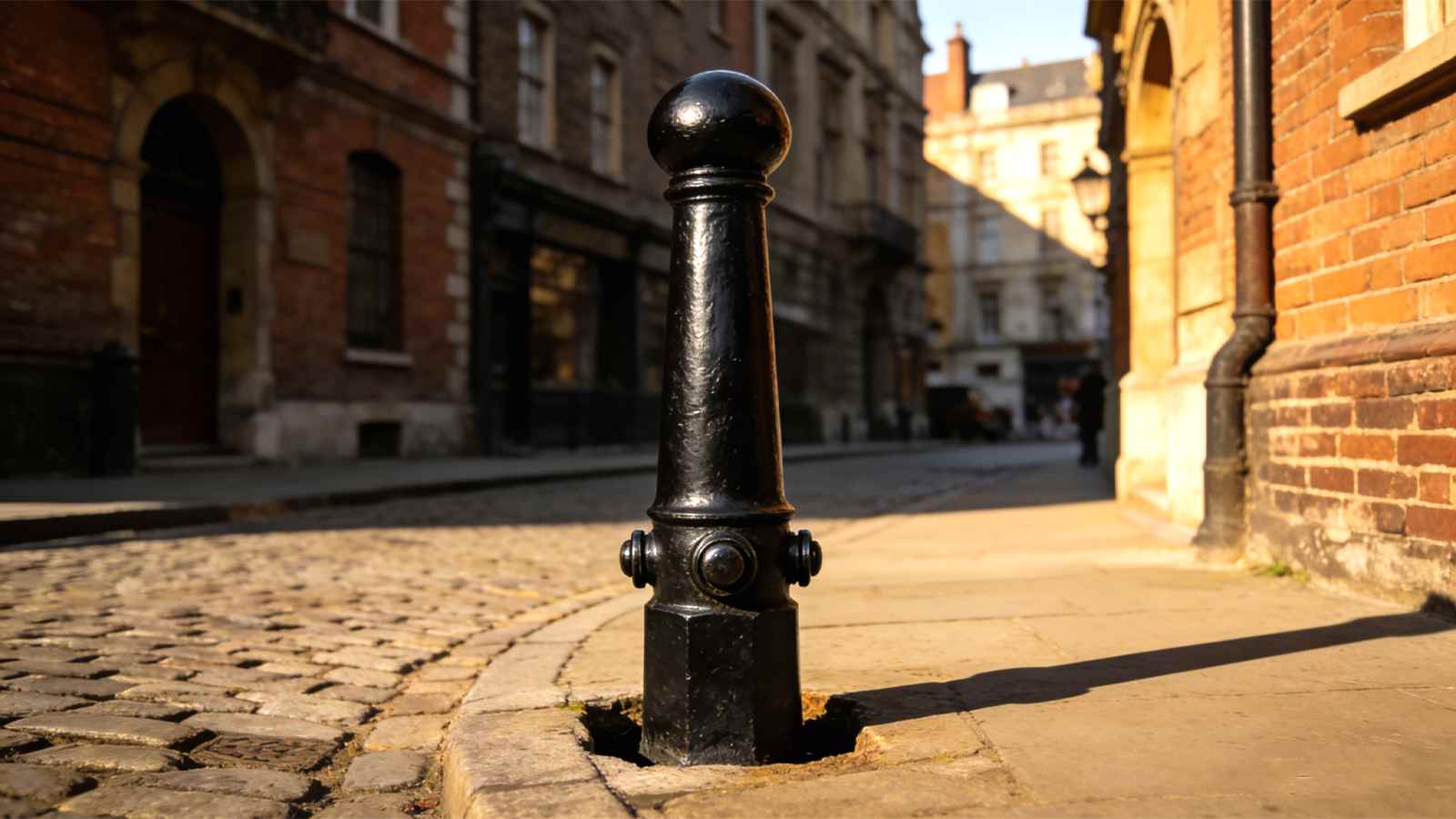
Have you ever noticed those sturdy posts standing guard on city sidewalks? They are called bollards. You might see them protecting storefronts or guiding traffic. These common objects have a surprisingly rich history. Their story begins not on land, but at sea.
For a modern factory serving dealers, understanding this history is key. It shows the long-standing trust in cast iron bollards. This post explores their journey from naval decks to urban streets. We will look at their origins, their evolution, and their role today. By the end, you will see these humble posts in a whole new light.
From Naval Cannons to Dock Posts
The original bollards were simple wooden posts on ships and wharves. Sailors used them to tie up ropes and secure vessels. The real transformation began in the 17th century. Decommissioned naval cannons found a second life in a very practical way.
Imagine the scene after a major naval battle. The victorious fleet had many captured cannons. These heavy iron weapons were too valuable to simply melt down for scrap. Instead, workers would bury the cannon in the ground, muzzle first. About two-thirds of the cannon went underground for stability. The remaining part stuck out of the ground.
This created a perfect, sturdy post for docking ships. The rounded end was ideal for looping heavy mooring ropes. The trunnions, the pivots on the side of the cannon, also helped keep ropes from slipping. It was a brilliant example of recycling long before the term became common.
The Move from Docks to City Streets
These cannon bollards worked so well that people saw other uses for them. Soon, they started appearing away from the water. City streets in the 18th century were chaotic places. Horse-drawn carriages could easily damage building corners. They also posed a danger to people walking on the footpath.
Strong, immovable posts were the perfect solution. Old cannons were placed around buildings for protection. They acted as a barrier against carriage wheels. In many historic port cities, you can still find them today. These cannon bollards shielded stone walls and marked safe zones for pedestrians. Their weight and strength made them ideal roadside protectors.
It was not just about showing off war trophies. Economics played a huge role too. In the early 1800s, the British Office of Ordnance sold scrap cannons to the public. The scrap value of old iron cannons was very low. For civil authorities, buying these cannons was cheaper than casting new posts from scratch. It was a simple matter of function and cost.
The Birth of the Cast Iron Bollard
As the 19th century progressed, the demand for bollards grew. Cast iron became the material of choice. It was durable, resistant to corrosion, and could be molded into shapes. The classic cannon design was a clear inspiration. However, foundries soon began creating their own unique styles.
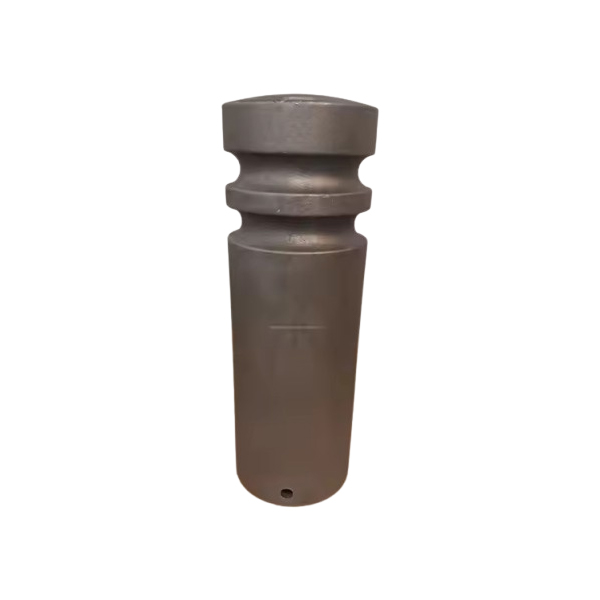
By the Victorian era, bollards were becoming more decorative. They were no longer just recycled weapons. Companies started casting cannon-style bollards from scratch in the early 20th century. They also developed other designs, including ridged bodies and squared tops. The traditional shape was now a design choice, not just a necessity.
In France, the artistry was even more pronounced. Some cast iron bollards from the turn of the century feature spherical finials and heraldic shields. These shields often displayed a city’s coat of arms. These bollards were not just functional. They became a source of civic pride and local identity.
Export Structural Steel Types for Bollards and Street Furniture
Understanding the Anatomy of a Bollard
Modern bollards still echo their cannon ancestors. Looking at their design helps us understand their function. The parts of a cannon translate into the visual elements we see today. The knob at the top, the reinforce rings around the body, and the base all have historical roots.
Some early cannons were buried with the muzzle pointing up. In these cases, the open end was often sealed with an oversized cannonball. This is why you see so many bollards with round, dome-like tops. Others were placed muzzle down. This left the cannon’s knob as the decorative finial at the top. Both methods created the classic silhouettes we still use.
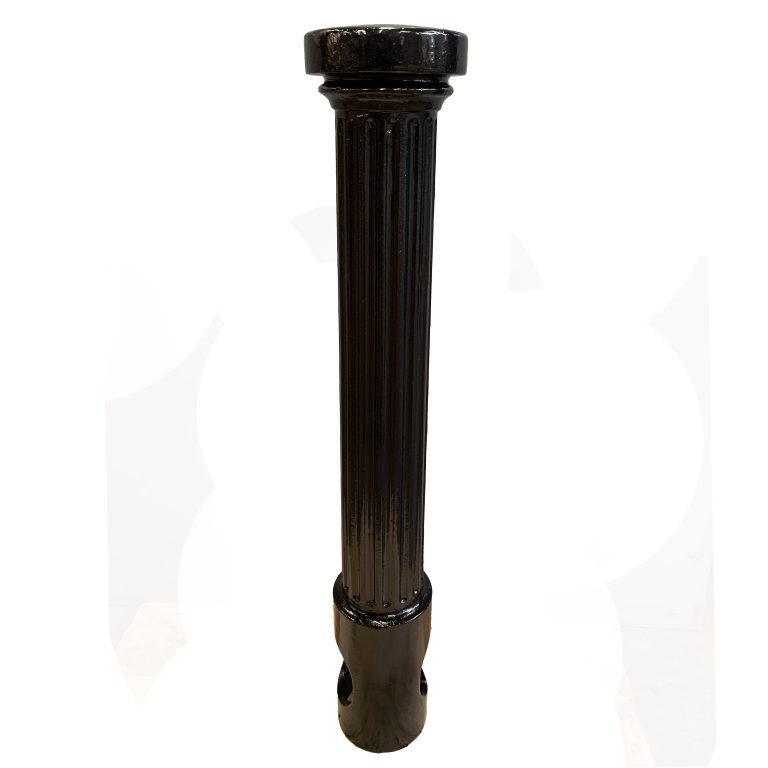
You might also notice bollards with fluted sides. This feature actually comes from Greek architecture, not naval design. Fluted Doric columns were common in grand buildings. When bollards began lining pathways, these two ideas merged. The result was a bollard that looked like a small, sturdy column. It combined classical beauty with industrial strength.
Modern Materials and Manufacturing
Today, the term bollard covers a wide range of products. While cast iron remains popular, other materials are now common. You can find bollards made from stainless steel, ductile iron, and even hardwood timber. Each material offers different benefits. Stainless steel provides a modern, polished look. Hardwood offers a natural, sustainable option for certain projects.
Cast iron is still highly valued for its strength and longevity. Modern manufacturing allows for incredible detail. A bollard can be a simple cylinder or an ornate piece of street furniture. The Doric bollard is a great example of this. It has a fluted body inspired by classical Greek columns. It proves that practical security can also be elegant.
Finishes have also evolved. The traditional color for cannon bollards is black. This came from the historical cannon-blacking used on real weapons. Today, you are not limited to black. Powder coating offers a durable finish in many colors. You can choose from statuary bronze or Bengal silver. Some manufacturers can even match custom colors for large projects.
Applications in Today’s World
The job of a bollard has expanded far beyond mooring ships. Their main purpose now is to manage traffic and protect people. They create safe spaces between vehicles and pedestrians. You see them in front of stores, around plazas, and along walking paths.
Some bollards are designed for high security. Crash-rated bollards are tested to stop vehicles traveling at high speeds. They are often found around government buildings or other sensitive sites. These bollards have a strong inner core, often filled with concrete and steel. A decorative cast iron shell can cover this core. This keeps the area safe without sacrificing visual appeal.
Other bollards serve a more subtle purpose. They act as visual guides for drivers. They help define the edge of a road or a parking area. Taller bollards can even aid visually impaired people. They act as a tactile and detectable warning along a route. Their presence helps people navigate public spaces with confidence.
Why Quality Matters for Your Projects
For dealers and contractors, choosing the right bollard is crucial. It is an investment in safety and durability. A well-made cast iron bollard will last for decades with very little maintenance. It resists corrosion and stands up to accidental bumps from vehicles.
Quality also affects the final look of a project. A cheap bollard can detract from an otherwise beautiful streetscape. A high-quality bollard, with a smooth finish and clean lines, enhances the environment. It shows attention to detail and a commitment to quality. This matters for architects and city planners.
We understand the need for reliable, attractive street furniture. Our products are designed to meet the demands of modern urban life. They carry on the tradition of strength and functionality that started centuries ago. At the same time, they offer the clean, professional look that today’s projects require.
Preserving History While Building the Future
It is fascinating to think about the journey of the bollard. What started as a recycled cannon part is now a carefully designed product. It is a small but important part of our daily landscape. These posts tell a story of ingenuity and adaptation.
Next time you walk down a city street, take a moment to look at them. You might see a modern interpretation of a cannon. You might spot a fluted column or a design with a heraldic shield. Each one has a purpose and a past.
We are proud to be part of this long history. We provide the elements that help shape safe and beautiful communities. From protecting building corners to guiding pedestrians, the cast iron bollard remains an essential tool. It connects our maritime past with our urban future.

Leave A Message